Garmin Forerunner 965 vs Fenix 8: Which Is Better for Triathletes?
Garmin Forerunner 965 vs Fenix 8 for triathlon — a direct comparison across display, battery, durability, features, and price to help you pick the right one.
FullKitTri is reader-supported. We may earn a commission from qualifying purchases made through links on this page.
Garmin sells two flagship GPS watches that both handle triathlon beautifully, and choosing between them comes down to one question: do you want the extra durability and features of the Fenix 8, or do you want $400 back in your pocket?
Quick picks
| Product | Best for | Price | |
|---|---|---|---|
| Garmin Forerunner 965 — Better for most triathletes | 90% of age-group triathletes | $579.95 | View |
| Garmin Fenix 8 — Better if you want one watch for everything | Multi-sport athletes who also dive, hike, or need rugged durability | $849.99 | View |
The picks, in detail
 #1
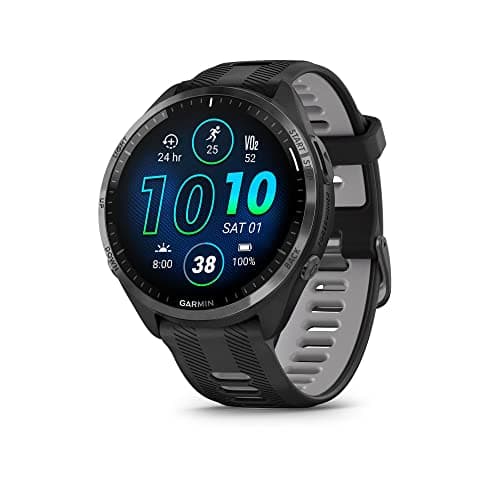
#1Garmin Forerunner 965 — Better for most triathletes
Best for: 90% of age-group triathletes
- AMOLED display is easier to read in aero position
- Lighter (53g) — doesn't pinch under wetsuits
- Same core training metrics as the Fenix
- $400 cheaper than Fenix 8 without losing meaningful capability
- Plastic bezel feels less premium
- Not rated for recreational diving
For pure triathlon use, the 965 wins. You pay less, get a lighter watch, and have identical training and race-day capability.
 #2
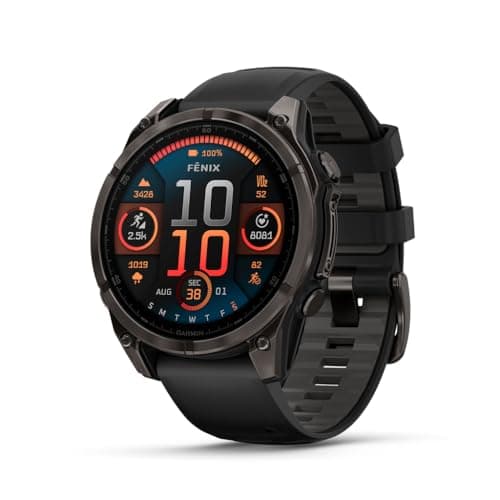
#2Garmin Fenix 8 — Better if you want one watch for everything
Best for: Multi-sport athletes who also dive, hike, or need rugged durability
- Titanium bezel, sapphire glass, and 40m dive rating
- Built-in LED flashlight and offline calling
- Longest battery in Garmin's lineup
- Solar charging option
- Heavier and bulkier on smaller wrists
- $400 premium over the 965 is mostly durability + mic/speaker
The honest answer
If you're buying a watch purely for triathlon training and racing, buy the Forerunner 965. The Fenix 8's extra features — titanium construction, dive rating, offline calls — don't help you swim, bike, or run faster. They justify a premium if you need them; they don't if you don't.
Buy the Fenix 8 if you:
- Scuba dive or free dive recreationally
- Backcountry hike or backpack and want rugged construction
- Travel internationally and want offline phone functionality
- Prefer the "I'll have this watch forever" feeling
Buy the 965 if you:
- Mostly swim, bike, and run
- Value lightweight comfort over rugged build
- Want to save ~$400
Spec-by-spec
| Feature | Forerunner 965 | Fenix 8 |
|---|---|---|
| Display | 1.4" AMOLED | 1.3" AMOLED |
| Weight | 53g | 73g (Ti) |
| Battery (GPS) | 23h | 26h (45h solar) |
| Battery (smartwatch) | 23d | 16d |
| Case | Fiber-reinforced polymer | Titanium |
| Glass | Gorilla Glass DX | Sapphire |
| Dive rated | No | 40m |
| Built-in speaker/mic | No | Yes |
| LED flashlight | No | Yes |
| Starting price | ~$600 | ~$1,000 |
What they do equally well
Both watches ship with:
- Multi-band (dual-frequency) GPS — the important one
- Full triathlon multisport mode with auto-transitions
- Training readiness, load, and stamina metrics
- ClimbPro and PacePro for bike/run planning
- Power-meter support (ANT+ and Bluetooth)
- Preloaded TopoActive maps
- Garmin Pay and music storage
This is why most triathletes come out recommending the 965 — the race-day feature set is basically identical. You're not buying athletic capability with the Fenix premium; you're buying construction.
Battery in practice
Listed battery hours are best-case. Real-world race-mode battery (screen on, multi-band GPS, sensors active):
- Forerunner 965: 18–22 hours of GPS — plenty for Ironman with headroom
- Fenix 8 (non-solar): 20–24 hours of GPS — slightly better
- Fenix 8 Solar: 24–40 hours depending on conditions
For a 12–17 hour Ironman, both handle it. Only Kona-level athletes racing multi-day events need to worry.
Bottom line
Buy the Forerunner 965 unless you have a specific non-triathlon reason to pay the Fenix premium.
Written by
FullKitTri Editors
The FullKitTri editorial team reviews triathlon gear across every discipline and budget. Our recommendations are based on hands-on racing experience, independent research, and hundreds of hours comparing products.
- Combined 50+ triathlons completed
- Sprint through Ironman distance experience
More in GPS Watches
#1 pick
Garmin Forerunner 965 — Better for most triathletes